Dreamcam is making a serious play at redefining how passthrough cam content is accessed, with what it claims is the first 6K passthrough VR streaming experience delivered directly through a WebXR browser.
That might sound incremental – until you consider where passthrough has been stuck.
The Real Shift: Access, Not Just Quality
Passthrough quality has improved rapidly over the past couple of years. But access? That’s been the bottleneck.
Most live passthrough implementations still rely on:
- Native apps
- Closed ecosystems
- Multi-step onboarding
Dreamcam’s approach strips that away.
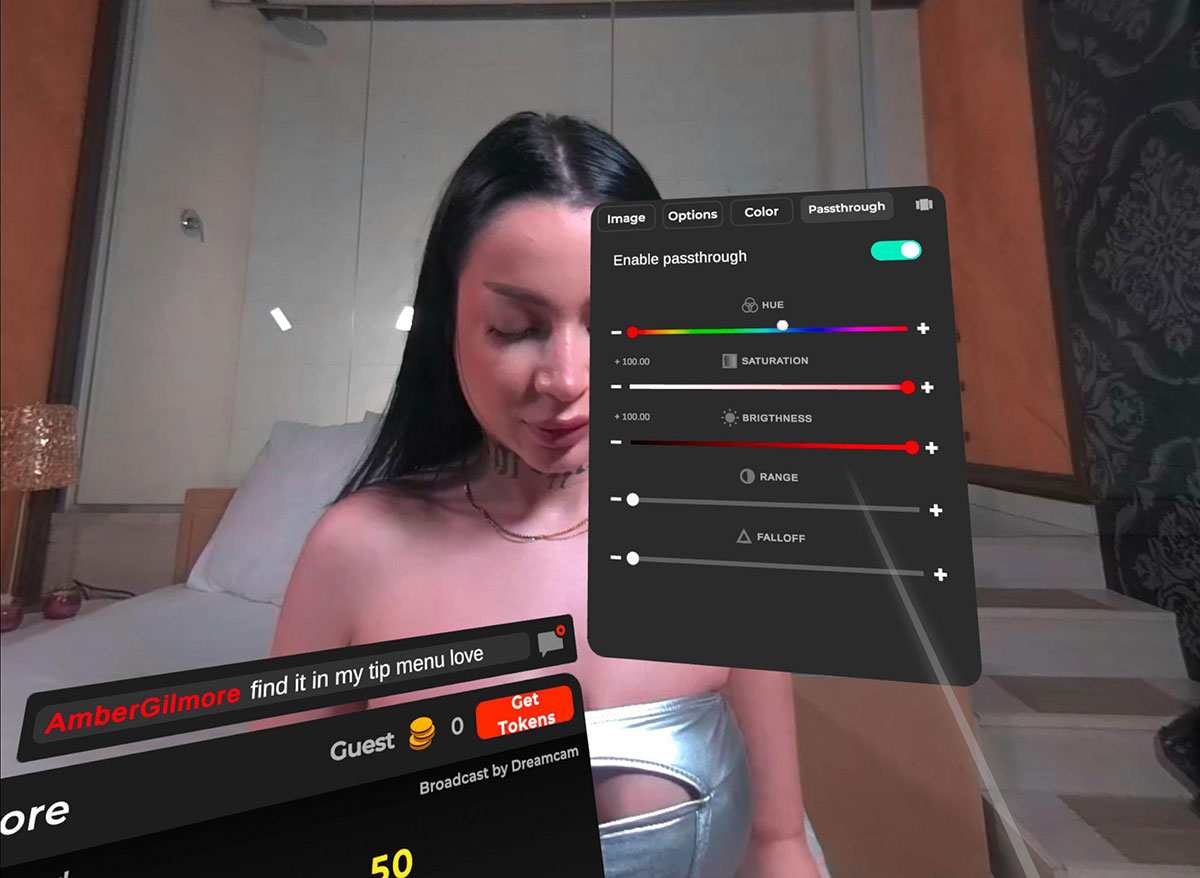
Built on WebXR, users can enter a stream, toggle passthrough, and start watching almost instantly – all from within a browser.
For a space where friction kills repeat usage, that’s a meaningful shift.
AI Passthrough – With Real Constraints

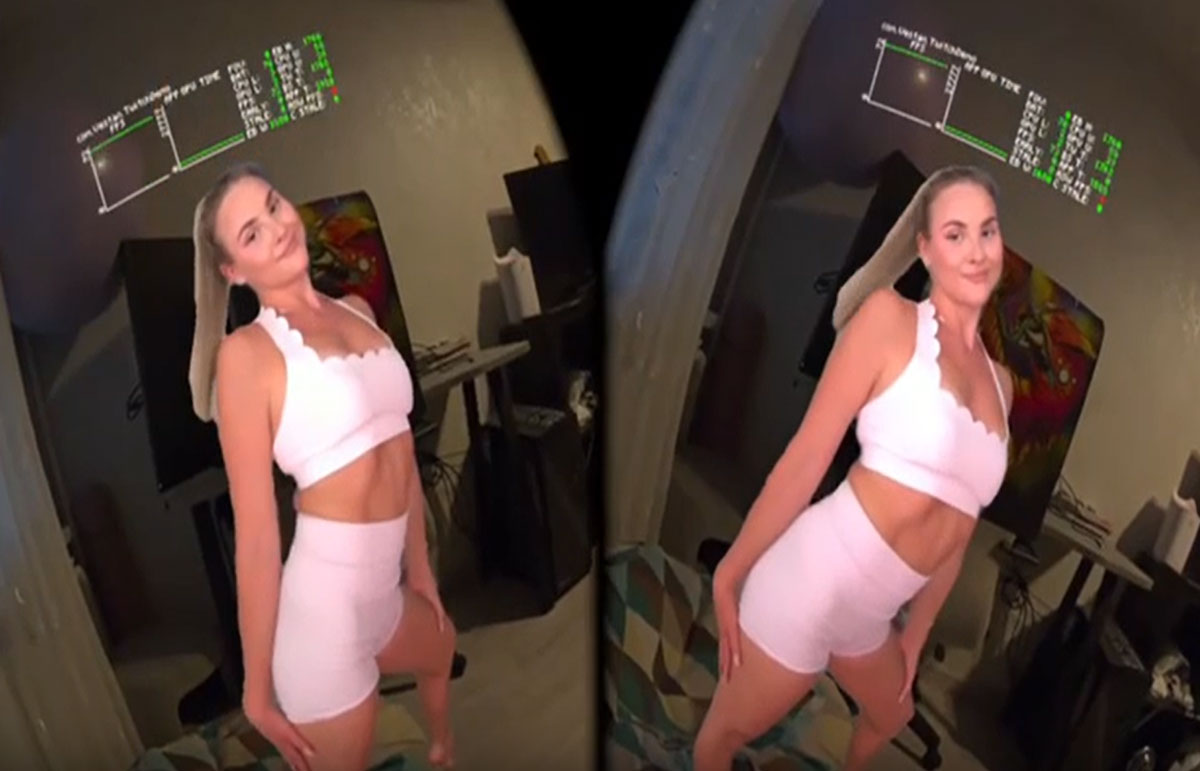
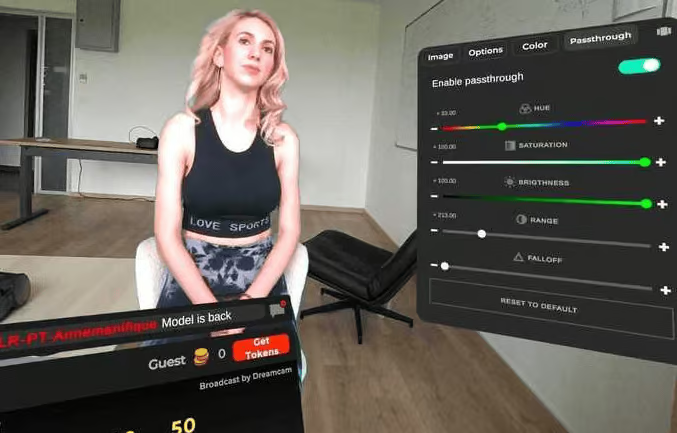
Dreamcam is using real-time AI segmentation instead of chroma key to isolate performers and place them into the viewer’s environment.
That brings obvious advantages: more natural blending, fewer artificial edges, and greater flexibility outside of controlled studio setups.
But the backend tells a different story.
To stream in passthrough, creators currently need:
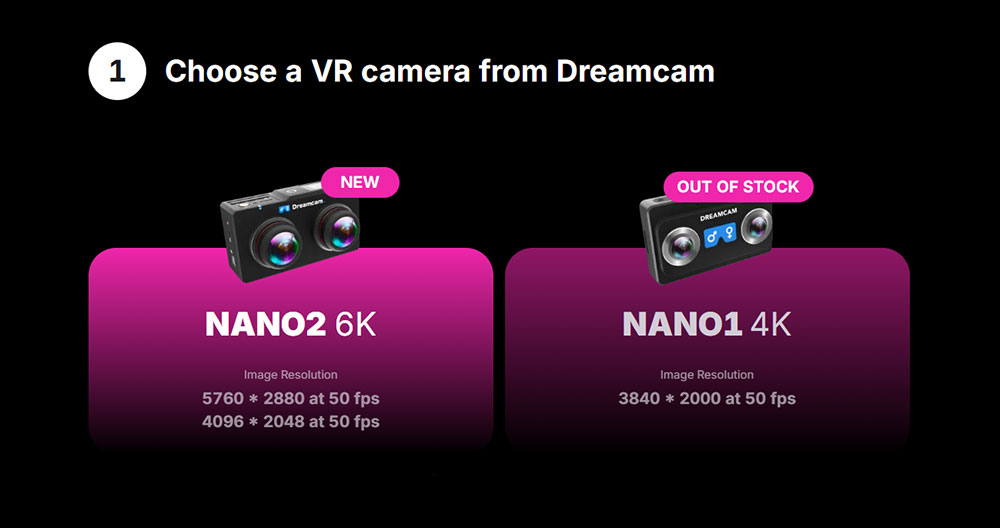
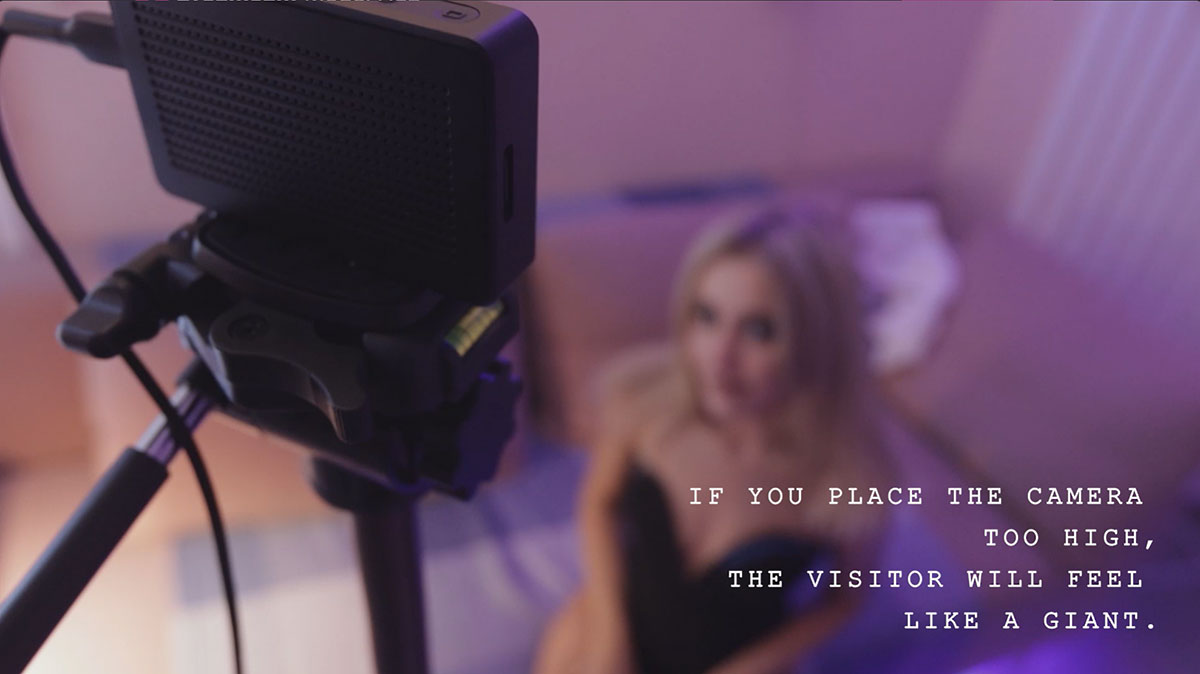
- Dreamcam’s Nano2 VR camera (6K, 60 FPS)
- RTX 3060-class GPU or higher
- 16GB RAM and stable system load
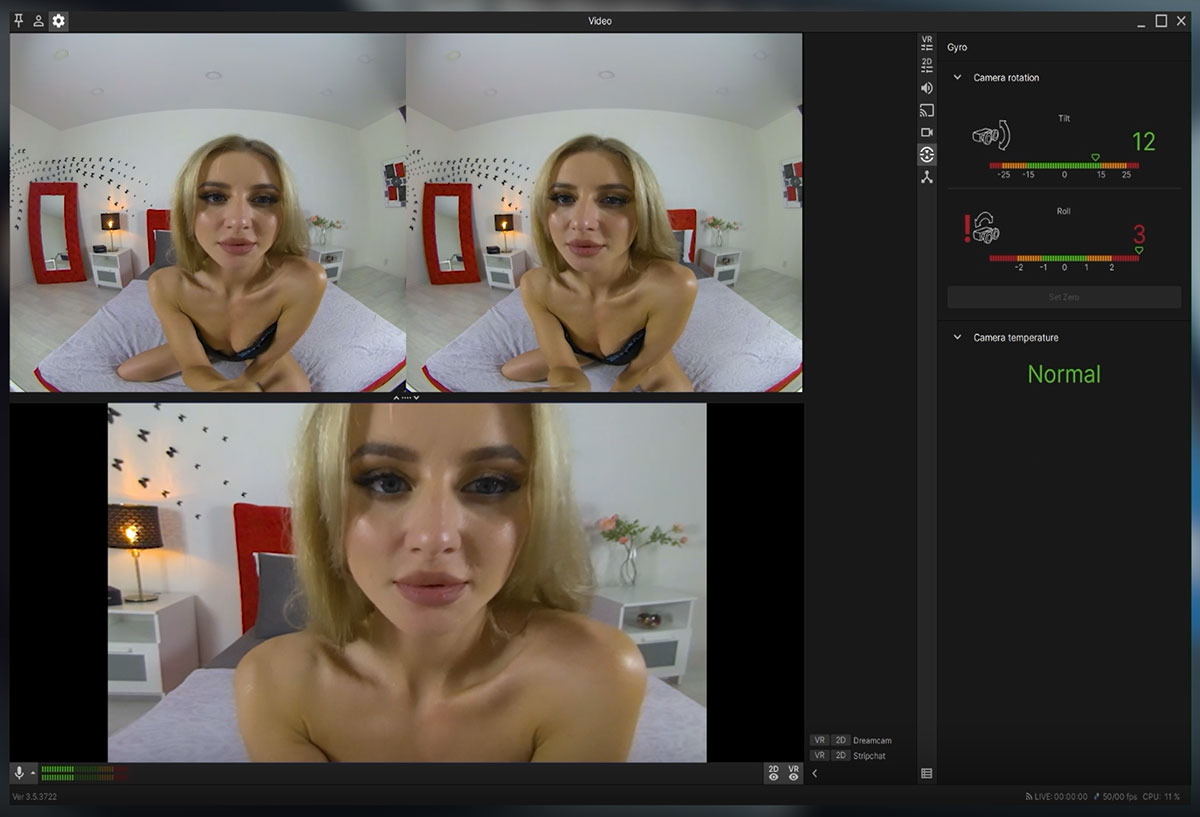
- DreamSender software (v4.1+)
There’s also a setup and training process to ensure the AI correctly segments the performer. For a more detailed breakdown of how passthrough works on the creator side, Dreamcam provides a full guide here.
And like any real-time AI system, it’s not perfect. Mirrors, reflections, and complex lighting conditions can still break the illusion.
So while the viewer experience is frictionless, the creator pipeline is still relatively controlled.
From Greenscreen to AI Passthrough
This shift didn’t happen overnight.
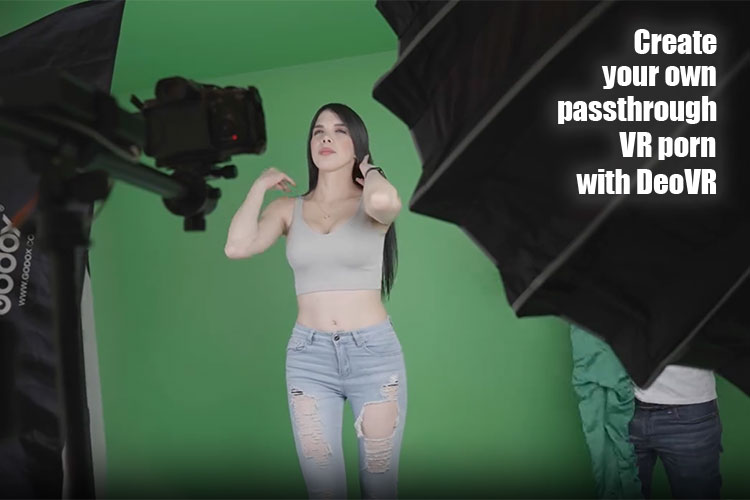
In 2024, SexLikeReal introduced the first live passthrough cam shows using greenscreen environments. It proved demand – but also exposed limitations around scalability and setup complexity.
By 2025, that evolved into AI passthrough through a partnership with Dreamcam, removing the need for chroma key and enabling more flexible capture setups.
What Dreamcam is doing now builds on that foundation – but shifts the focus from how passthrough is created to how it’s delivered.
Viewer Experience: The Real Unknown
For all the progress on access, the biggest question is still performance.
Delivering 6K passthrough through a browser introduces potential trade-offs:
- Compression and bitrate limitations
- Browser-level performance constraints
- Latency compared to native apps
For experienced users, even small drops in clarity or segmentation quality are noticeable.
If Dreamcam can maintain high fidelity and low latency in-browser, it sets a new standard. If not, native apps may still hold the edge for premium sessions.
The Scaling Challenge
There’s a clear imbalance in how this evolves.
On the viewer side, Dreamcam is removing friction entirely.
On the creator side, barriers still exist:
- Hardware requirements
- Proprietary camera dependency
- Training and onboarding
That creates a familiar bottleneck: easier access to content, but slower growth in supply.
Until those requirements loosen – whether through better optimization or broader hardware support – scaling the ecosystem may take time.
Where This Positions Dreamcam
It’s also worth looking at how this fits into the wider ecosystem.
Platforms like SexLikeReal have focused heavily on building out immersive ecosystems – adding features like haptics, interactive tools, and deeper platform integrations.
Dreamcam, by contrast, is focusing on infrastructure:
- Capture technology
- Streaming pipeline
- Distribution layer (WebXR)
That distinction matters. One is expanding the experience – the other is making it easier to access.
Both are necessary, but Dreamcam’s approach targets a more immediate bottleneck.
For those interested in joining the platform as a creator, Dreamcam also provides more information about becoming a model here.
What to Watch Next
If this direction continues, a few developments will define whether it scales:
- Support for cameras beyond Nano2
- Lower hardware requirements for creators
- Improved handling of complex environments, including mirrors, motion, and lighting
- Consistent high-quality performance across browsers
- Potential multi-user or shared passthrough environments
These are the steps that move passthrough from impressive tech to everyday format.
Bottom Line
Dreamcam isn’t the first to bring passthrough to live cams – but this may be one of the first serious attempts to make it usable at scale.
Right now, that’s the real problem worth solving.
If the browser-based approach holds up under real-world conditions, this could mark a shift not just in quality – but in how often, how easily, and how widely passthrough content is actually used.
And that’s what ultimately determines whether this space stays niche – or finally breaks out.