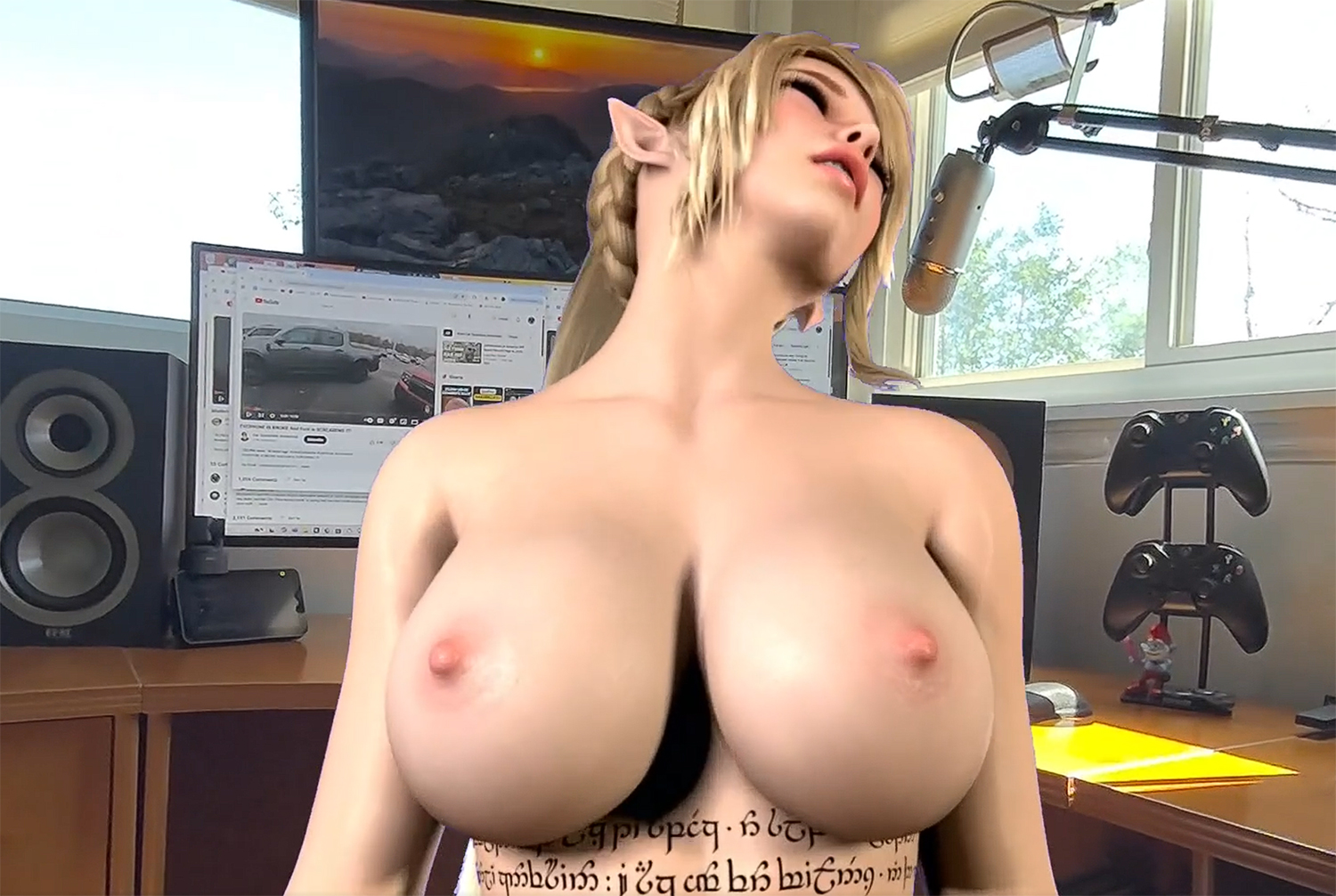
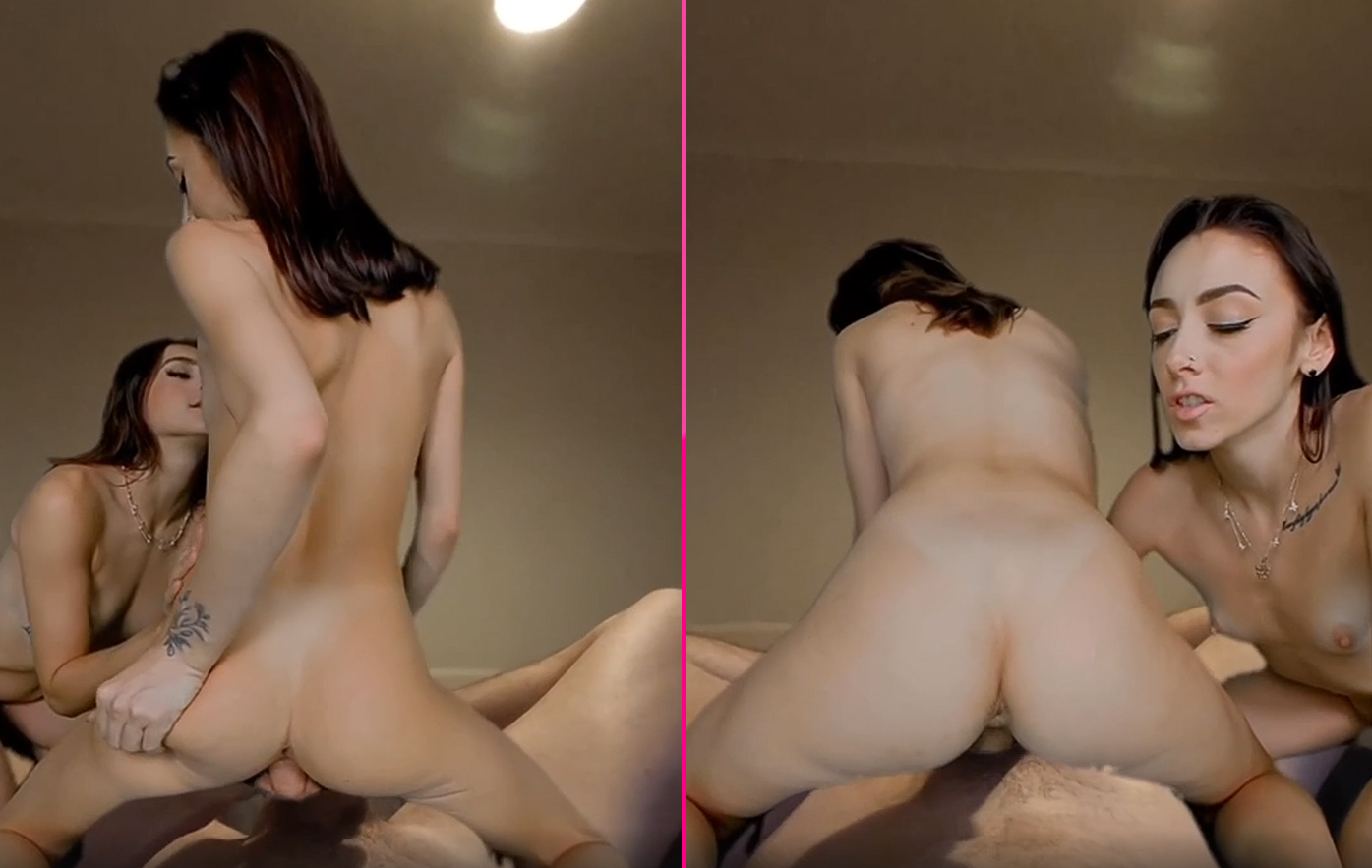
The first time most people try passthrough AR porn, the reaction is rarely about graphics or resolution.
It’s usually something closer to:
“Why does this feel so real?”
Not “this looks good.”
Not “this is cool.”
There’s a specific moment—when positioning, scale, and perspective line up—where something just clicks.
And suddenly, it stops feeling like content… and starts feeling like presence.
After tracking passthrough AR content across multiple hardware generations, one thing has become clear:
👉 Realism in this format has very little to do with resolution—and everything to do with how well content integrates into your space.
🧩 You’re Not Leaving Reality—You’re Adding to It

Traditional VR replaces your environment completely. You’re transported somewhere else.
Passthrough AR does the opposite.
You stay in your room. Your brain still sees:
- your walls
- your furniture
- your lighting
Nothing about your environment is replaced—only augmented.
That difference matters more than people expect.
Because your brain already trusts your surroundings, it doesn’t go into “this is fake” mode. Instead, it treats what you’re seeing as something happening within a real space.
👉 VR replaces reality. Passthrough works with it.
🧠 The Real Trick: Your Brain Trusts the Room First
Your brain constantly builds a model of your environment:
- where objects are
- how far away things are
- how light behaves
It also relies on depth cues—like scale, perspective, and how objects shift as you move—to decide what feels real.
Passthrough works because it preserves those real-world signals while adding digital elements that follow the same rules.
👉 If it behaves correctly, your brain lets it pass.
⚡ The Moment Everything “Clicks”
One pattern we’ve consistently seen is that passthrough has a very distinct “activation moment.”
At first, users are aware they’re watching something artificial.
Then they start adjusting:
In fact, most users don’t just press play—they spend the first few minutes dialing things in. That adjustment phase is where realism is either achieved… or completely lost.
And then—when everything lines up—something changes.
“As soon as you get it positioned right… something clicks in your brain like holy shit this is actually happening.”
That moment is when your brain stops analyzing and starts accepting.
🧪 Why First-Time Users React So Strongly
For many people, passthrough isn’t just “better VR”—it feels like a completely different category.
The typical experience looks like this:
- Initial reaction: “This is interesting, but obviously not real”
- Adjustment phase: tweaking position, scale, angle
- Alignment moment: everything lines up
- Click: sudden shift from watching → experiencing
👉 That transition is what makes passthrough memorable.
It’s not constant—it’s triggered.
🎯 Why Positioning Matters More Than Resolution
One of the biggest misconceptions about passthrough porn is that higher resolution automatically means more realism.
Counterintuitively, that’s not what actually happens.
👉 Positioning > Resolution
A perfectly aligned scene at lower resolution will almost always feel more convincing than a high-resolution scene with poor placement.
Realism comes from:
- correct scale
- believable distance
- stable positioning
Most passthrough content is also stereoscopic—each eye sees a slightly different image to create depth. But that depth only feels natural when alignment is correct. If positioning is off, it can actually make the scene feel less convincing.
Resolution adds detail—but positioning creates presence.
🔍 Why Passthrough Feels Different Across Scenes
This is where a lot of the variation comes from—and where most users don’t yet realise what they’re actually looking at.
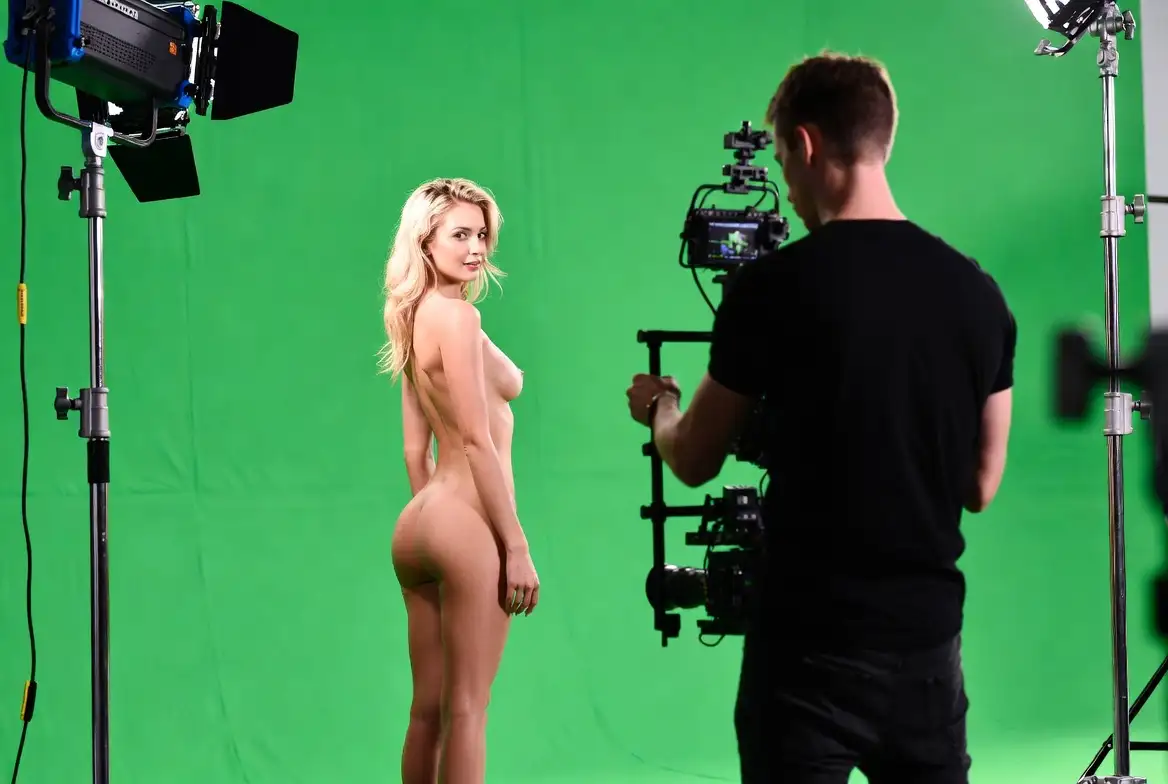
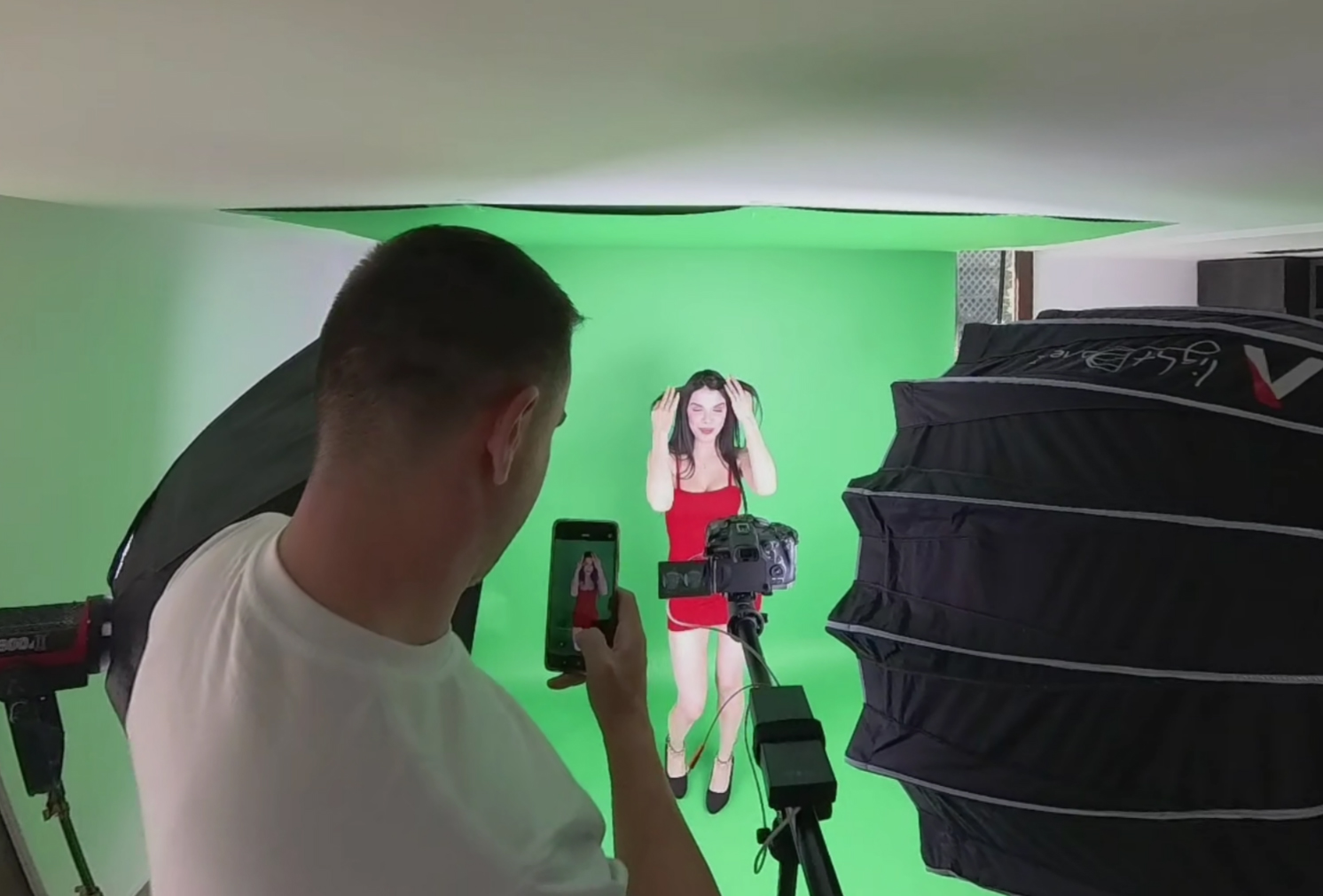
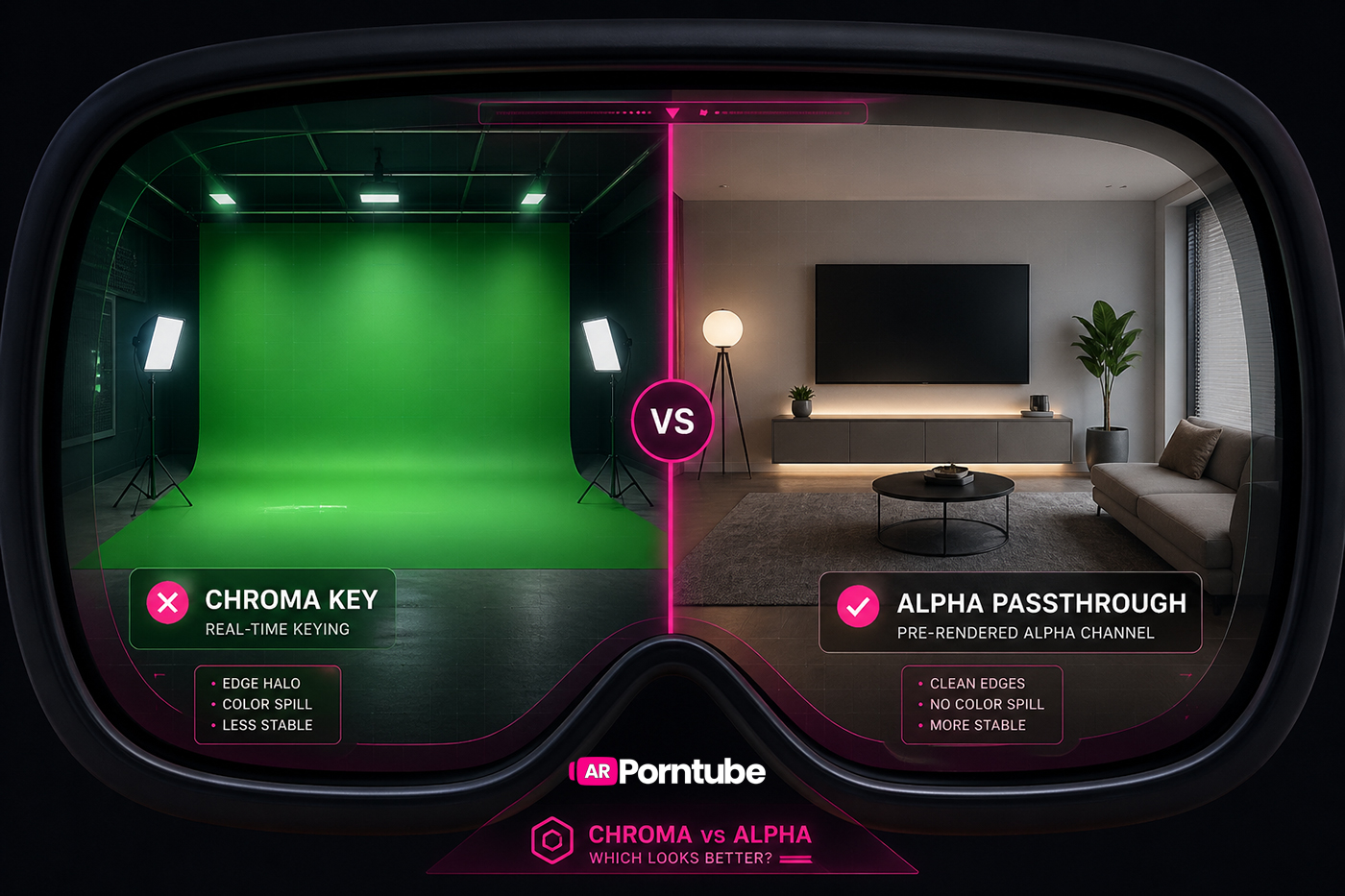
Many scenes still rely on chroma key (green screen) workflows, commonly used by studios like CzechAR and 3D Pickup:
- background is removed in real time
- edges can appear unstable
- lighting inconsistencies create visible artifacts
These issues are especially noticeable around:
- hair
- fast movement
- fine detail
Your brain picks up on these inconsistencies instantly.
More advanced content uses alpha passthrough:
- transparency is embedded directly into the video
- cleaner edges
- more stable blending
This approach is used by studios such as SLR Originals, arporn.com, VRSpy, and PassthroughVR, who focus more heavily on passthrough-first production.
The key difference is where the compositing happens.
With chroma key, the headset or player often performs the work in real time, which can introduce instability depending on performance.
With alpha passthrough, that work is handled during post-production—allowing for cleaner edges, better detail preservation, and more consistent playback.
👉 Fewer visual inconsistencies = stronger immersion
A lot of these differences come down to how the content is composited. If you want to understand why some scenes look cleaner than others, see our breakdown of alpha vs chroma passthrough.
If you’re interested in the full production side—how scenes are filmed, processed, and prepared for passthrough playback—you can read our guide on how passthrough AR porn is made.
🎬 VR-to-AR Conversion: Why Some Scenes Feel Different
Another factor that affects how passthrough feels is how the scene was originally created.
A large amount of passthrough content today comes from existing VR scenes that have been adapted for AR, a workflow used by studios like Real Girls Now, SwallowBay, and VRPornNow.
This typically involves:
- removing the original background
- isolating the performer
- preparing the scene for passthrough playback
This approach has played a huge role in making passthrough widely available. It allows studios to bring large libraries into AR without rebuilding everything from scratch.
👉 In many ways, it’s what accelerated the growth of the format.
⚖️ Why Converted Scenes Feel Different (Not Worse)
Converted scenes are still based on footage originally designed for VR.
That means they were filmed with:
- fixed environments
- specific lighting setups
- framing designed for full 180° viewing
When adapted for passthrough:
- positioning may need adjustment to feel natural in a real room
- scale can vary depending on placement
- lighting may not always perfectly match your environment
👉 The result isn’t “worse”—it just behaves differently.
🎯 Where Converted Content Works Well
Converted scenes often perform best when:
- positioning is dialed in carefully
- the original footage has clean subject separation
- lighting is relatively neutral
When those conditions are met, they can still feel highly immersive—and for many users, they’re the first introduction to passthrough experiences.
🚀 The Shift Toward Purpose-Built AR
At the same time, more content is now being created specifically for passthrough from the start.
These scenes are designed with:
- real-world placement in mind
- more flexible staging
- cleaner environmental integration
👉 And that’s where the next level of realism comes from.
🚫 What Breaks the Illusion Instantly
From observing large volumes of content, scenes that fail tend to break immersion in predictable ways:
- ❌ Incorrect scale → feels unnatural compared to your room
- ❌ Poor anchoring → slight drifting breaks spatial consistency
- ❌ Bad edges → halos around subjects break realism instantly
- ❌ Lighting mismatch → subject doesn’t match your environment
- ❌ Overly complex staging → relies on backgrounds that don’t exist
Your brain doesn’t need perfection—but it hates inconsistency.
Even one of these can stop the “click” from happening.
🎬 Passthrough Changes How Content Is Created
Passthrough isn’t just a new format—it requires a different production mindset.
In VR, creators control everything.
In passthrough, they control almost nothing about your environment.
You might be watching in:
- a bedroom
- a living room
- bright daylight
- dim lighting
So content has to adapt.
The most effective scenes tend to:
- assume nothing about the background
- keep staging clean and flexible
- prioritize positioning over environment detail
- use neutral lighting
👉 Creators aren’t designing scenes anymore—they’re designing for unknown environments.
🚀 Why Quest 3 Made Passthrough Finally Work
A major reason passthrough feels dramatically better now is hardware maturity.
Full-color passthrough on Quest 3 changed everything:
- more accurate lighting
- better color blending
- clearer depth perception
Field of view and camera quality also play a role here. Better passthrough cameras and wider viewing angles reduce the sense that you’re looking through a device, making digital content feel more naturally integrated.
Earlier passthrough often felt like looking through a filtered camera feed.
Now, it feels much closer to seeing your actual room.
👉 For many users, this is where passthrough stopped being a novelty—and started feeling real.
⚙️ Smoothness Matters More Than You Think
Realism isn’t just visual—it’s continuous.
Even small issues like:
- buffering
- frame drops
- quality shifts
can instantly break immersion.
One important factor here is motion-to-photon latency—the delay between your movement and what updates in the headset.
In passthrough, your brain expects the real world to respond instantly. If digital elements lag behind your movement, they immediately feel disconnected from your environment.
👉 Realism = uninterrupted, responsive experience
That’s why:
- lower resolutions like 2K are useful for mobile browsing and quick previews
- higher resolutions like 8K deliver the detail needed for full passthrough viewing on headsets
Most passthrough viewing happens on headsets, where higher resolution plays a much bigger role in maintaining realism. Lower resolutions are mainly there for accessibility—allowing users to explore content smoothly before switching to a full headset experience.
🧭 The Biggest Mistake Right Now
Most platforms still treat passthrough as a side category instead of its own format.
You’ll often see:
- everything grouped together
- no meaningful filtering
- no way to search by positioning or style
This doesn’t just affect discovery—it affects realism.
Because passthrough depends heavily on:
- staging
- positioning
- environmental integration
👉 If users can’t find well-designed content, they may never experience that “click” moment at all.
🔮 What Happens Next
What’s changed recently isn’t just that passthrough can feel real—it’s that it can do so consistently.
As hardware improves and production techniques mature:
- cleaner compositing
- better spatial anchoring
- improved head tracking accuracy
- more optimized playback
👉 the gap between “this looks real” and “this feels real” will continue to shrink—faster than most people expect.
As AR adult content continues to evolve, production techniques are becoming more specialized and increasingly optimized for realism.
🌐 The Real Shift: From Watching to Sharing Space
The reason passthrough AR feels so real isn’t just technical.
It’s conceptual.
Traditional content is something you watch.
Passthrough creates something closer to shared space.
👉 It’s not somewhere else. It’s happening here.
🧠 Final Thought
Passthrough doesn’t feel real because it replaces reality.
It feels real because it works with it.
It uses your environment, your spatial awareness, and your brain’s existing understanding of the world—and adds just enough to blur the line.
And once you experience that “click” moment, it changes how you see every immersive format that came before it.